Every day, our actions send quiet signals to ourselves. Each morning routine, decision at work, word in conversation, and evening ritual we create becomes another layer in the pattern of our lives. But when our habits pull away from what truly matters to us, we may feel a subtle discomfort, a lack of unity in our thoughts, feelings, and choices. We have witnessed this experience in many people we have guided: a gentle tug that suggests we could live with greater meaning, presence, and clarity.
When we act in harmony with our deeper values, peace and purpose follow.
Building daily habits that reflect our deepest values invites a natural sense of integration. In our experience, the process does not demand perfection. Instead, it asks for a series of conscious steps, honest self-inquiry, small adjustments, and ongoing reflection. We can all start where we are. Step by step, habit by habit, we can shape lives that not only look good on the surface but also feel right within.
Understanding the connection: Habits and values
Habits are the repeated actions, big or small, that quietly design our days. They often run on autopilot, shaped through years of repetition and social influence. Our values, on the other hand, are the principles and beliefs that touch us at a deeper level. They represent our sense of what is ‘right’ or worth pursuing.
When habits match our values, there is alignment. For example, valuing kindness and making time to support a colleague shows integrity. Conversely, if we cherish health but reach for unhealthy snacks each afternoon, that gap creates conflict. We notice that, over time, such misalignments introduce restlessness and dissatisfaction. The good news is: habits can be changed, and values can guide the transformation.
Start with honest self-reflection
Before making changes, we recommend a pause for self-reflection. This stage sets a strong foundation from which real growth can begin.
- Ask, “What truly matters to me?” Not what people expect, but the values that bring you energy and hope.
- Consider moments when you felt proud, joyful, or peaceful. These often reveal hidden values: honesty, courage, compassion, learning, or something more personal.
- Reflect on discomfort. When did you feel uneasy about your actions or routines? Such moments can highlight values that have been overlooked.
Writing down the first three to five values that come to mind often helps. Name them. Let them become more than a vague idea. Clarity brings direction.
Assess current habits honestly
Once values become clear, the next step is to notice current habits. This may sound simple but requires an honest look at daily choices, not what we hope to do, but what actually happens.
- Make a short list of regular routines: morning actions, food choices, work patterns, conversations, how you rest, and how you react under stress.
- For each habit, ask, “Does this serve my values or take me away from them?”
- Notice patterns that feel automatic or disconnected from your sense of purpose.
We have seen that bringing habits into the light in this way is often an eye-opening step. It provides a starting point, not for criticism, but for gentle, informed change.
Create intention: Set a clear focus
With values and current habits in hand, we suggest picking just one area to begin. Changing everything at once usually leads to overwhelm. Progress, in our experience, is more likely when we move with intention and clarity.
- Choose one value to spotlight for the week. Maybe it is honesty, presence, or growth.
- Identify one habit (or small set of linked habits) for change. For instance, if you value well-being, you might decide to reduce late-night screen time to improve sleep.
- Define what the new, value-aligned habit looks like. Make it clear, simple, and easy to measure. “Spend 15 minutes each morning in quiet reflection,” or “Choose water instead of soda at lunch.”
By narrowing our focus, we give ourselves a fair chance to create meaningful change.
Take small, consistent steps
Big shifts begin with tiny steps. We have learned that sustainable change happens through small, repeatable actions rather than sudden overhauls. Choose changes you believe you can maintain, even on a tough day.
- Break habits into micro-steps: Instead of “exercise every morning,” begin with “stretch for three minutes after waking.”
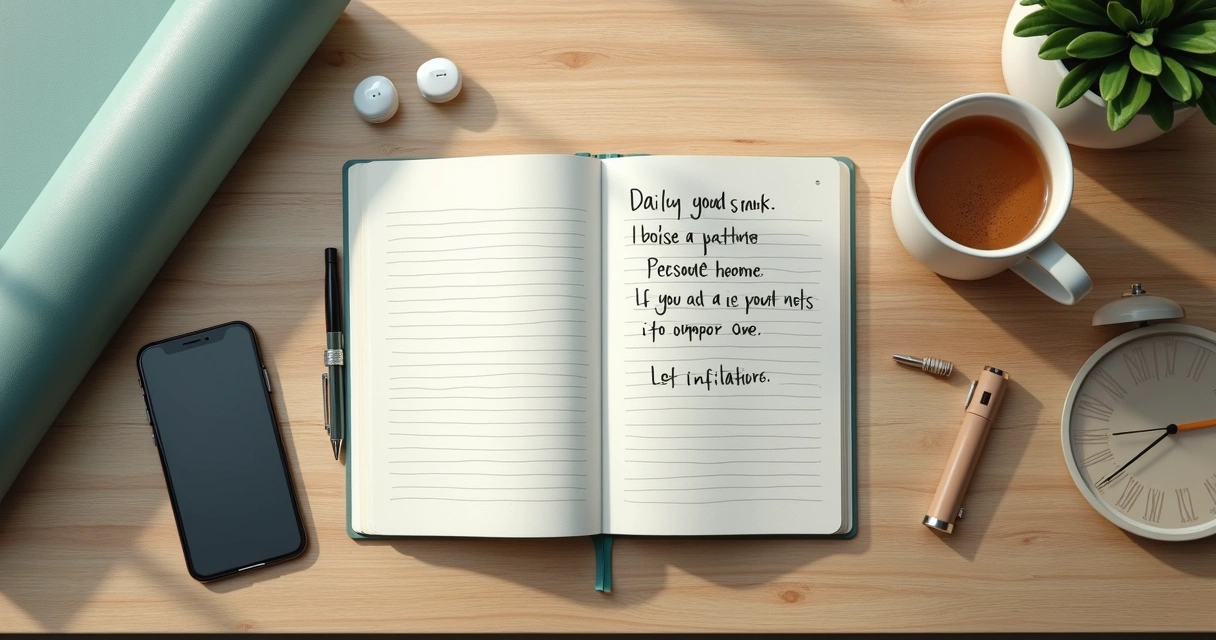
- Pair the new habit with an existing one: Place your journal next to your coffee mug so reflection follows coffee naturally.
- Track your efforts in a way that feels motivating. A simple notebook, a daily checkmark, or reflective thoughts at bedtime can all work.
Habits grow strong when we nurture them a little each day.
If a day is missed, begin again. We have noticed that kindness toward ourselves during setbacks creates greater long-term strength and flexibility.
Notice and celebrate alignment
When a new habit matches a deep value, even in a small way, pause and notice. Savor the feeling of alignment. This sense of congruence reinforces the new habit on an emotional level—not just through willpower, but through growing satisfaction.
- Acknowledge small wins. Each action that honors your values, however simple, is a step in the right direction.
- Share your wins with a trusted friend, write them in a journal, or reflect quietly. Making them visible increases their power.
Small celebrations are like fuel; they make it easier to continue, especially during challenging times.
Adjust and grow with self-compassion
No journey is perfectly straight. Over time, you may discover that some habits do not fit as expected, or that your values evolve as you grow. This is natural and even necessary for a mature, fulfilled life. What matters is our attitude along the path.
- Review progress steadily, perhaps once a month. What feels in alignment? Where is there resistance?
- Be honest about what works and what does not. Adjust habits with curiosity, not harsh judgment.
- Recognize that setbacks are part of learning, not failure. Real, lasting change comes from gentle persistence mixed with honest self-reflection.
Self-compassion keeps the process alive and creative, rather than rigid or punishing.
Reach deeper: Aligning with purpose
In our view, aligning daily habits with our inner values is more than a technique for self-improvement; it is a way to bring action, feeling, and thought into unity. Over time, this alignment shapes not only how we spend our hours, but also the meaning we draw from life.
Each choice becomes a small story of who we are becoming.
It often takes courage to question habits and shift routines. But in our work, we have seen the rewards: deeper calm, clearer conscience, and a steady sense that life is meaningful—even in its simplest moments.
Conclusion
Aligning daily habits with inner values calls for honest reflection, clear intention, steady practice, and ongoing compassion. We have witnessed how this process can lead to greater fulfillment and inner peace. Through small, attentive steps, we can each shape lives that feel true, whole, and deeply lived.
Frequently asked questions
What are daily habits and values?
Daily habits are the repeated actions and routines that make up our days, while values are the core beliefs and principles that guide our sense of right and wrong. When our habits reflect our values, we often experience a sense of integrity and well-being.
How to identify my inner values?
Reflect on moments of pride, contentment, or discomfort. Notice what qualities or actions felt right or wrong in those moments. Writing down what feels meaningful to you—apart from social expectations—can help clarify your inner values.
How can I change my habits?
Start with one small change at a time. Connect the new habit to a value, and make the first step as simple as possible. Consistency helps new habits become automatic, and tracking your progress or celebrating small wins can increase motivation.
Is it worth changing daily habits?
Yes. Changing daily habits to better reflect personal values brings a greater sense of alignment, satisfaction, and purpose to life. Even small shifts can have a big impact over time.
What if my values change?
It is normal for values to develop as we grow and learn. When values change, we can adjust our habits to match the new direction. Being flexible and honest with ourselves is key for ongoing personal growth.