
Blended families often begin with hope. Two adults try again. Children adjust. New routines start. From the outside, it may look like a second chance built on love alone. In our experience, that is only part of the story.
Under the surface, many blended families carry hidden conflicts about duty, loyalty, money, parenting, and emotional space. These tensions are not always loud. Sometimes they show up in silence, distance, small irritations, or repeated arguments about simple things like schedules and chores.
In blended families, conflict often grows less from bad intentions and more from unclear responsibility.
That is why mapping responsibility matters. When each person knows what belongs to them, and what does not, the home becomes easier to live in. Not perfect. But clearer. And clarity reduces emotional pressure.
Why blended families carry hidden strain
A blended family joins more than people. It joins histories. It joins grief, habits, rules, old wounds, and hopes that may not match. One child may still be loyal to the absent parent. One adult may feel judged by a former spouse who is still part of daily life. Another may feel they carry too much and receive too little respect.
We have seen how these tensions stay hidden when everyone tries to “keep peace” by avoiding hard talks. Yet avoidance has a cost. What is not spoken is still felt.
Unspoken roles create spoken conflict.
The numbers also remind us that this is not a rare family form. Research on U.S. children living in blended families reports that about 17% of children under 18 lived in blended families in 2023. The same data shows differences linked to parental education, which suggests that social and economic pressure can shape how conflict appears at home.
When money is tight, time is short, and adults already feel stretched, family roles can become even more loaded. A missed pickup is no longer only a missed pickup. It becomes “You never help.” A child refusing a rule becomes “You are not my parent.” The event is small. The meaning is not.
What responsibility really means
Responsibility in a blended family is not just about tasks. It is also about emotional position. Who sets limits? Who comforts the child? Who pays for what? Who speaks with the former spouse? Who decides consequences? Who carries guilt? These questions shape everyday peace.
Fair responsibility is not equal responsibility. It is role-based responsibility.
That difference matters a lot. A biological parent and a stepparent do not begin from the same bond, so forcing the same authority too early often creates resistance. A teenager may accept care from a stepparent but reject discipline if trust is not there yet. That does not mean the stepparent has no place. It means the place must be built with time and agreement.
We think responsibility in blended families works best when adults separate it into clear areas:
- Parental authority and rule-setting
- Daily care, such as meals, transport, and school support
- Financial duty, including child costs and shared household costs
- Communication with former partners
- Emotional support and conflict repair
When these areas stay mixed, blame grows fast. One adult feels overburdened. The other feels controlled. Children notice both.
Where conflict usually starts
Many people assume the hardest part is getting children to accept a new adult. Sometimes that is true. But in our view, the deepest stress often starts between the adults, because the structure is weak.
Some common pressure points appear again and again:
- Different parenting styles between homes
- Money disputes tied to child expenses
- Unclear authority for stepparents
- Loyalty conflicts in children
- Old resentment from the prior relationship
Financial issues are especially sensitive. Findings from the WiscParents Survey showed that child support and child expenses were the most common areas of conflict among divorced parents, no matter the custody arrangement. We often notice that these disputes do not stay in the legal or financial lane. They spill into parenting, trust, and respect.
A simple example helps. A stepmother buys school supplies, covers extra meals, and drives children to activities. She starts feeling that no one sees her effort. The father assumes she is helping out of love. The children see her as strict when she later complains. Nobody is fully wrong. But the arrangement was never named. So resentment took over.
How to map responsibility with less tension
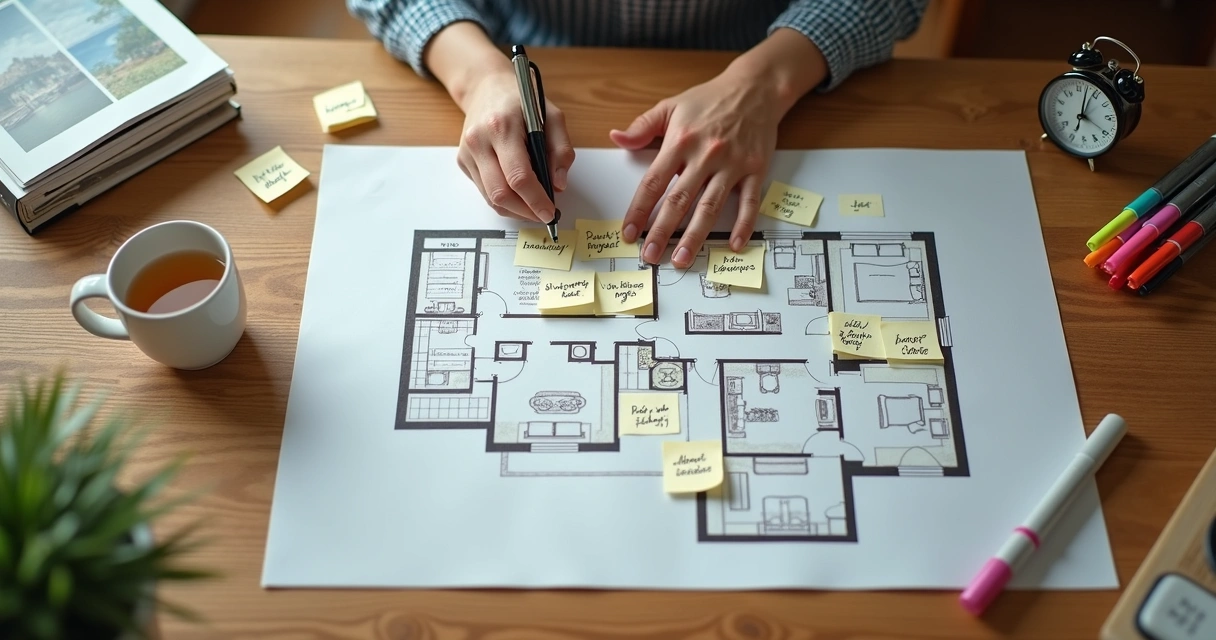
It helps to slow things down and name what each adult is actually carrying. We suggest starting with facts, not accusations. Sit down and list what happens in the week. Who wakes the children? Who handles homework? Who pays fees? Who manages contact with the other home?
From there, a better map can be built in order:
- Define the non-negotiable duties of each biological parent.
- State what support a stepparent can offer willingly.
- Agree on household rules that apply to everyone.
- Set limits around money and extra spending.
- Review the arrangement after a few weeks.
Children adjust better when adults carry clear roles without competing for position.
That does not mean all friction disappears. A child may still test limits. A former spouse may still be difficult. Yet the home gains a stronger frame. And a strong frame lowers confusion.
The emotional layer adults often miss
Responsibility is not only external. It has an inner side too. Adults may take on roles driven by guilt, fear, or the wish to be accepted. We have seen stepparents try too hard to win love through overgiving. We have seen biological parents avoid limits because they fear losing the child after divorce. Both patterns create disorder.
Guilt is a poor guide for family structure.
Children usually feel safer when adults are kind and steady, not when they are overcompensating. A parent who says yes to everything may look loving in the short term, but the hidden message is unstable. A stepparent who tries to replace a mother or father may also create pressure that the child cannot process well.
This is where emotional maturity changes the tone of the home. We need to ask: Am I acting from my role, or from my wound? That is not always an easy question. Still, it can prevent many repeating fights.
Building a shared language at home
One of the most helpful changes in blended families is the use of simple shared language. Instead of saying, “You never help with your kids,” we can say, “We need to review who handles school mornings.” Instead of, “You are too soft,” we can say, “We need one rule for bedtime in this house.”
Clear language reduces emotional flooding because it keeps the focus on structure, not attack.
We also think children need language that lowers loyalty pressure. They should not be asked to choose sides, defend one home against another, or carry messages between adults. That burden is too heavy.
When families speak with more clarity, they create more room for respect. Not instant harmony. Respect first. Harmony may come later.
Conclusion
Hidden conflicts in blended families rarely begin with one dramatic event. They grow in the gaps between role, expectation, and emotion. When responsibility is vague, tension fills the space. When responsibility is mapped with care, the family system becomes easier to hold.
We believe the goal is not to make every relationship feel the same. A blended family is not built by forcing sameness. It is built by giving each bond an honest place, each adult a defined role, and each child room to belong without carrying adult conflict.
If a family wants more peace, this is a good place to start. Name the roles. Name the duties. Name the limits. Then keep adjusting with patience and truth.
Frequently asked questions
What is a blended family?
A blended family is a family in which one or both adults have children from a previous relationship, and they form a new household together. This can include a parent, a stepparent, stepsiblings, half-siblings, or a mix of these relationships.
What causes conflicts in blended families?
Conflicts often come from unclear roles, different parenting styles, loyalty issues in children, money stress, and unresolved pain from past relationships. Tension also grows when adults expect closeness or authority before trust has had time to form.
How to assign responsibilities fairly?
Responsibilities are fair when they match each person’s role, bond, and agreement, rather than trying to make everything equal. Biological parents usually keep the main duty for parenting decisions, while stepparents can support daily life in ways that are clear, agreed, and respectful.
How can stepparents help reduce tension?
Stepparents can lower tension by building trust before trying to enforce strong authority, respecting the child’s existing bonds, and staying aligned with their partner on rules and routines. Calm presence often helps more than trying to control every issue.
What are tips for better communication?
Use direct and simple language, talk about behaviors rather than attacking character, and discuss roles before problems become large. It also helps to avoid making children messengers, set times for adult conversations, and review household agreements often as family needs change.