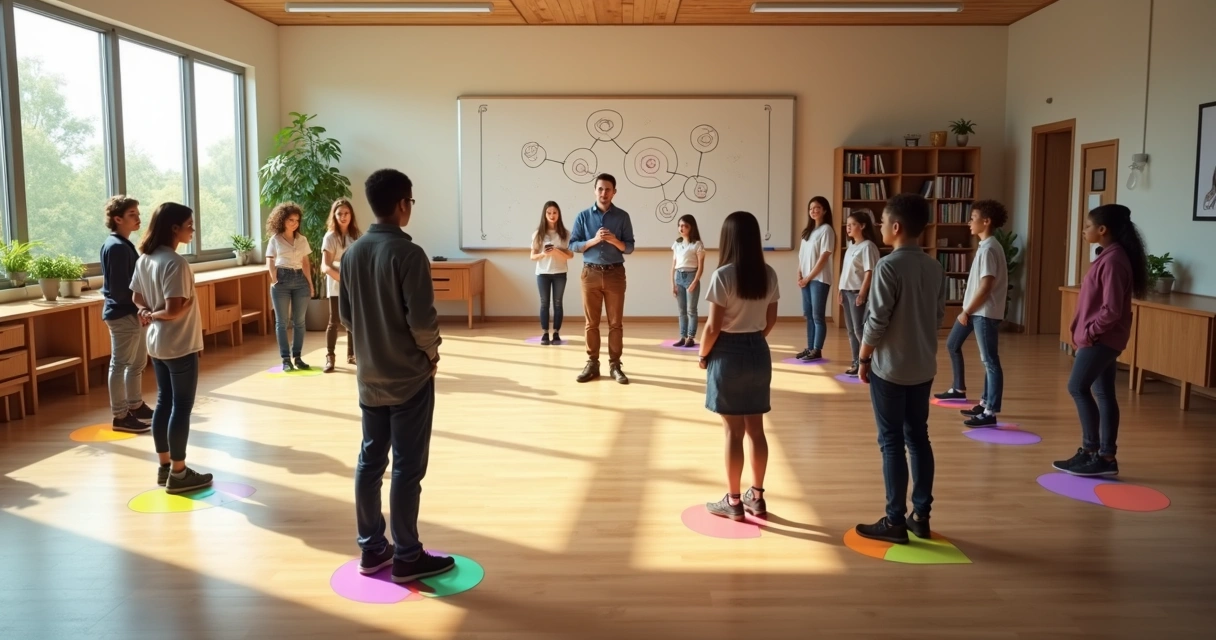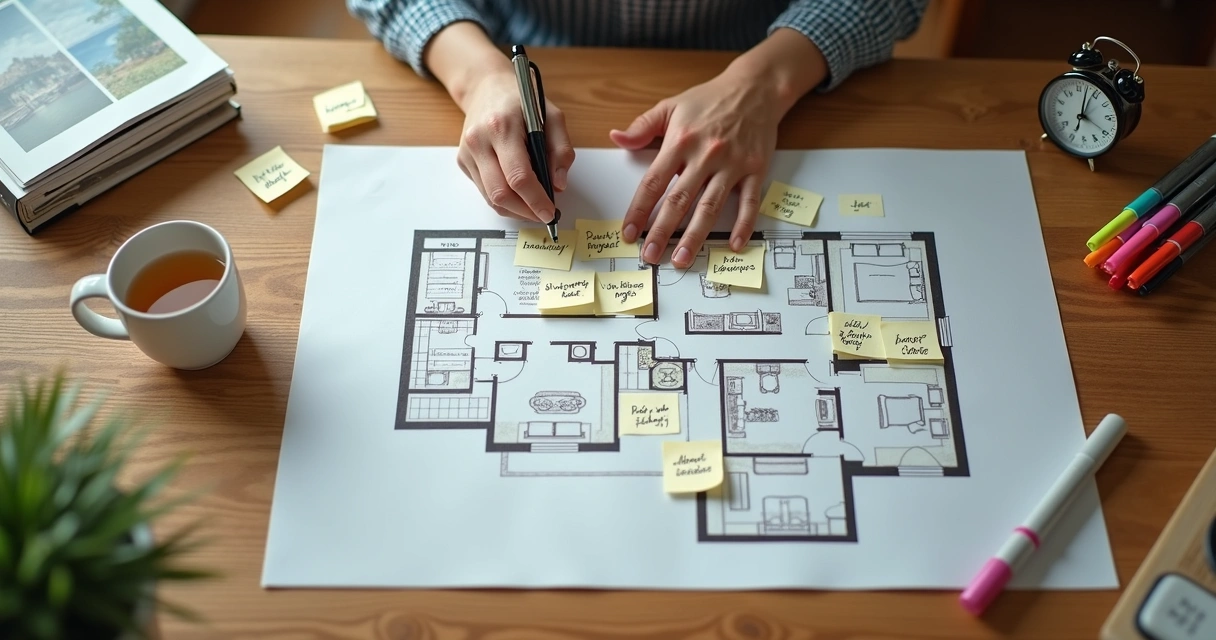

We often hear that children need freedom. We agree, but freedom alone is not enough. In family life, autonomy grows inside a relationship. A child becomes more able to choose, act, and think when the bond with parents is steady, clear, and respectful.
Autonomy is not distance from parents. It is the ability to act with inner support.
When we look at parent-child dynamics in a systemic way, we see more than behavior. We see patterns. We see how tone, timing, fear, guilt, and family roles shape a child’s sense of self. A child who is always corrected may stop trying. A child who is overprotected may doubt their own ability. A child who is heard, guided, and trusted usually grows with more inner order.
Autonomy grows in connection.
What a systemic view changes
A systemic view asks us to look at the whole relationship, not only at isolated moments. If a child refuses homework, for example, the issue may not be laziness. It may involve pressure, fear of failure, mixed messages between adults, or a habit of rescue. We have seen families relax the conflict only when they stop fighting the symptom and start reading the pattern.
In this view, parents do not need to control every step. They need to create a field where the child can take steps. That field usually includes:
- Clear roles between adults and children
- Age-appropriate choices
- Emotional safety during mistakes
- Consistent limits without humiliation
- Space for effort, pacing, and initiative
When these elements are present, autonomy feels less like a risk and more like a natural path.
Why control can weaken growth
Many parents control because they care. We understand that. Sometimes the child is slow, distracted, or resistant, and direct control seems faster. But faster is not always better for development.
A study with 336 ninth-graders on parental homework support found that autonomy-oriented support predicted higher later achievement, while direct content-oriented help predicted lower later achievement. This tells us something simple and strong: when parents encourage initiative and ownership, children often grow. When parents take over too much, the child’s inner movement can shrink.
Too much help can quietly teach a child, “You cannot do this without me.”
We have seen this in small scenes at home. A parent sits beside the child, corrects every line, gives every answer, and calls it support. The child finishes the task, yes. But the real lesson may be dependence.
How autonomy is built in daily life
Autonomy is not taught in one speech. It is built in repeated moments. Morning routines. Homework. Conflicts with siblings. Bedtime. These moments train the child’s inner posture.
We think healthy autonomy grows through a sequence:
- First, the child feels safe in the relationship.
- Then, the child receives a clear expectation.
- Next, the child gets room to try.
- After that, the parent stays present without invading.
- Finally, the child reflects on what worked and what did not.
This sequence matters. If we skip safety, the child may react with fear. If we skip limits, the child may feel lost. If we skip space, the child cannot build confidence.
In our experience, many parents improve family life when they replace constant instruction with better questions. Instead of “Do it this way,” they ask, “What is your plan?” Instead of “You always forget,” they ask, “What would help you remember?” Such questions invite agency.
The link between support and school confidence
Autonomy at home often reaches far beyond home. It shapes school confidence, emotional balance, and the courage to face new tasks.
A study on parent and teacher autonomy support in middle childhood found that parental autonomy support during homework predicted a stronger self-concept of ability in math and literacy. When teacher support was also present, gains were even stronger. This matters because children do not build self-trust from words alone. They build it from lived experiences of being supported without being dominated.
We also see this in adolescence, a phase that can feel tense. Parents may fear losing influence and respond with more pressure. Yet pressure often creates either rebellion or passivity. Neither one is real autonomy.
A longitudinal survey that followed adolescents across several years showed that a supportive parenting style, including autonomy support, was linked to higher mathematics scores across all waves. The pattern stayed strong even after controls. In plain terms, support that respects the child’s active role helps learning last over time.
Systemic blocks that parents may not notice
Sometimes the problem is not lack of love. It is hidden loyalty, anxiety, or role confusion inside the family system. A parent may unconsciously keep the child dependent because separation feels painful. Another may expect maturity from the child while still treating them like someone fragile. These contradictions confuse growth.
We suggest watching for signs like these:
- The parent speaks for the child in most situations
- The child fears making small decisions alone
- Mistakes lead to shame instead of learning
- One adult gives freedom while another cancels it
- The child carries adult emotional burdens
When such patterns appear, autonomy does not fail because the child is weak. It fails because the system sends mixed signals.
Mixed signals create insecure choices.
Practical ways to support autonomy with warmth
We do not need cold distance to raise independent children. Warmth and structure can live together. In fact, they work better together.
A comparative study with American and Chinese adolescents found that mothers’ autonomy support predicted better academic and emotional functioning, while controlling behavior predicted poorer emotional functioning and lower grades. The pattern was similar across both countries. This suggests that the need for respectful support is not limited to one culture.
In daily practice, parents can nurture autonomy by doing a few things well:
- Offer limited choices that fit the child’s age
- Let the child face manageable frustration
- Set limits with calm language
- Ask the child to think before receiving an answer
- Separate the child’s worth from the result
- Allow natural consequences when safe
Children grow stronger when we guide the process without owning it.
One mother once told us that mornings were constant battles. She chose clothes, packed the bag, rushed breakfast, and shouted by 7:15. When she changed the pattern, the mood shifted. She prepared fewer words, more routine, and two simple choices. The child resisted at first. Then came small wins. Less drama. More participation. That is often how autonomy begins, quietly.
Conclusion
When we nurture autonomy systemically, we stop asking only, “How do we make the child obey?” We start asking, “What kind of relationship helps this child stand on their own feet?” That question changes everything.
Autonomy grows where there is bond, order, and respect. It needs guidance, but not invasion. It needs limits, but not humiliation. It needs trust, practiced in many ordinary moments. If we want children who can choose with awareness and act with responsibility, we need to create family patterns that support both connection and inner freedom.
Frequently asked questions
What is parent-child autonomy?
Parent-child autonomy is the child’s growing ability to think, choose, and act with increasing responsibility while staying connected to parental guidance. It does not mean emotional distance or lack of rules. It means the child can rely less on external control and more on inner direction.
How to encourage autonomy in children?
We can encourage autonomy by offering age-fit choices, allowing effort before help, keeping limits clear, and responding to mistakes without shame. It also helps to ask reflective questions, give time for problem-solving, and avoid doing for the child what they can already do alone.
Why is autonomy important for kids?
Autonomy helps children build confidence, emotional steadiness, and decision-making skills. It also supports learning, persistence, and self-respect. Children who feel trusted tend to engage more actively with tasks, relationships, and challenges.
What are systemic ways to nurture autonomy?
Systemic ways include looking at family roles, patterns of control, emotional tone, and how adults respond to errors and separation. We can support autonomy by creating consistent routines, reducing overprotection, aligning adult expectations, and making room for the child’s initiative within safe boundaries.
How can parents balance control and freedom?
Parents can balance control and freedom by holding firm limits on what protects health, safety, and respect, while giving choice in areas the child can manage. This balance works best when adults stay calm, explain expectations simply, and leave space for the child to practice responsibility step by step.