
Family life moves in cycles: moments of harmony mix with tension and, at times, lasting conflict. Most of us have asked ourselves why some disagreements repeat or why a single comment can open up an old wound. Often, explanations seem incomplete or too focused on the surface. With systemic constellation, we have found new ways to look at these questions and develop answers that move beyond traditional perspectives.
The hidden layers beneath family conflict
At first sight, family arguments may appear to be caused by personalities clashing or simply bad timing. However, systemic constellation proposes that many conflicts are maintained by invisible patterns within the family system. These invisible patterns often relate to belonging, loyalty, and roles unconsciously adopted by different family members.
Time and time again, we notice how a quarrel over chores or money is not really about the topic itself. Beneath the surface, unresolved issues from previous generations might echo through family dynamics. A tension between siblings can sometimes mask older disputes that were never settled by their parents or even grandparents.
There is always more happening than what we see at the dinner table.
This does not mean we are destined to repeat past mistakes, but unless these patterns are made visible, it is hard to transform them.
The key principles of systemic constellation
To understand what systemic constellation teaches about family conflict, we should highlight some core principles:
- Belonging: Every family member, regardless of their history or role, has a place in the system. Exclusion or denial of anyone’s place can generate tension or chaos.
- Order: There are natural hierarchies and orders in family systems. When these are ignored (such as a child assuming a parental role), confusion increases and problems tend to multiply.
- Balance: Giving and receiving should be in balance. When some people give too much, or others feel they have not been acknowledged, frustration may build and spill over into arguments or passive aggression.
These principles are not rules but tendencies present in healthy family systems. When order, balance, or belonging are out of harmony, conflict often follows.
Roles and entanglements: why conflict persists at home
We often see family members locked into roles that seem almost impossible to change. One person may always be the peacemaker; another, the rebel. Systemic constellation suggests that such roles are not random. They can be the result of unconscious entanglements with other family members’ fates or unresolved stories.
For example, a child might take on the emotional burden of a parent who felt excluded as a child, trying to “fix” family pain that does not really belong to them. When this happens, the energy needed for genuine dialogue and understanding is lost in a tangle of mistaken loyalties.
Sometimes, we carry family burdens that are not ours to bear.
Conflict endures not because people want to hurt each other but because they are playing out something bigger—a dynamic involving many threads from the past.
From blame to understanding: shifting the focus
A key insight from systemic constellation is that conflict loses its sharp edge when we shift our focus from blame to understanding. Instead of asking, “Who is right?” or “Who started it?”, we become curious about what deeper need is trying to be met.
We may find, with some careful observation, that what looks like stubbornness can be a search for recognition. A repeated outburst may quietly ask for a place in the family, or an old grudge may hide years of not being heard.
When we see these underlying movements at play, it becomes easier to de-escalate arguments and offer the empathy that real healing requires.
Systemic constellation exercises at home
While a formal systemic constellation session involves guidance, there are reflective exercises we can bring into our daily lives to help address family conflict:
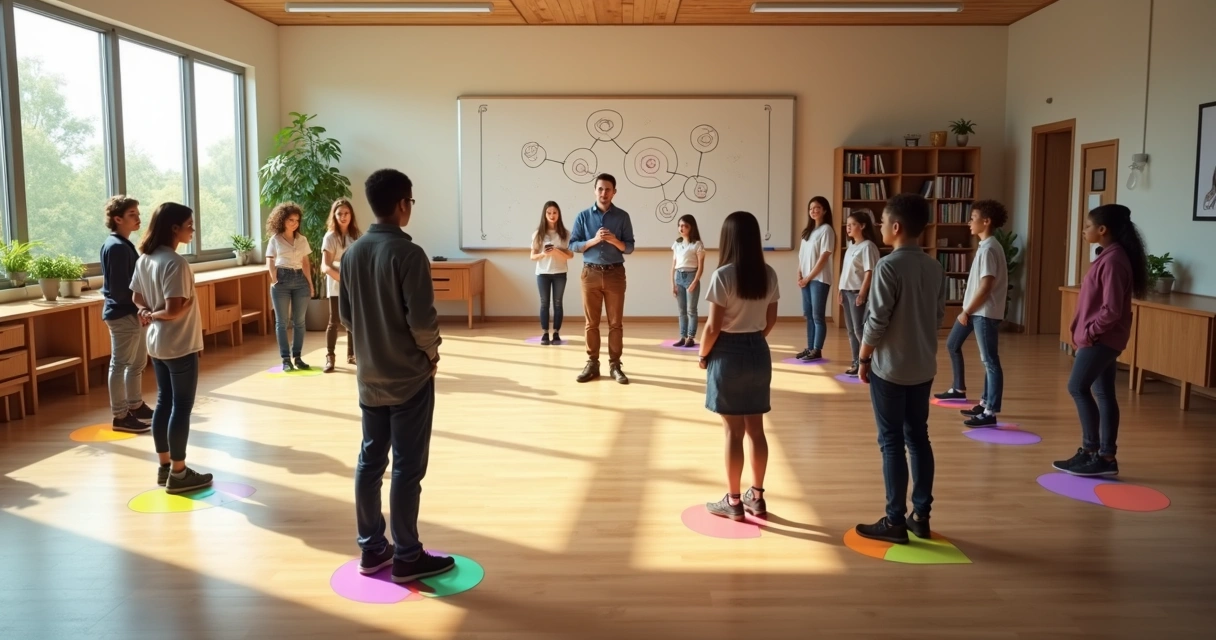
- Place everyone in your mind: Imagine each member of the household standing in a room. Do you see anyone left out, standing too far away, or overshadowed? What does this image tell you about belonging in your family?
- Check roles: Ask yourself if you have taken on a role that is not yours, such as being a parent to your siblings, or carrying worries on behalf of others.
- Balance gestures: Notice where there is too much giving or too little receiving. Are you always helping but rarely accepting help? Are others doing the same? Try to adjust these small exchanges in daily life.
- Respect boundaries: Practice listening without trying to fix or judge. Sometimes, simply acknowledging another’s story brings release.
Practicing these exercises may not solve every argument instantly, but over time they start to reveal which patterns continue to drive the old conflicts.
Responsibility and action: how to break cycles
Change in the family system happens when someone chooses to see with new eyes. Accepting that we each have a limited sphere of responsibility is the first step out of blame and victimhood. We are not responsible for the choices made by earlier generations, but we can take responsibility for how we respond now.
Practical actions might include:
- Saying “no” when needed, to avoid old self-sacrifice patterns
- Apologizing for our part in misunderstandings—even if others do not
- Expressing appreciation for things we often take for granted
- Inviting open conversation about unspoken feelings
In our experience, even one small shift can ripple through the entire home life, opening doors to dialogue where before there were only walls.
Moving forward: learning together
When we start to look at conflict through the systemic lens, cycles of blame or silence give way to curiosity and care. This approach is not about quick fixes. It is about understanding that each voice, past and present, has a place in our story.
We find ourselves moving from reaction to awareness, from judgment to presence. As we learn together, even years-old family conflicts may start to soften, changing how everyone feels at home.
Conclusion
Conflicts at home do not need to be endless struggles. Systemic constellation teaches us to see the underlying patterns, restore belonging, adjust roles, and take responsibility for our own actions. By making space for understanding and empathy, we build stronger and more compassionate families. Most of all, we find ways to create new stories together—stories that heal instead of harm.
Frequently asked questions
What is systemic constellation therapy?
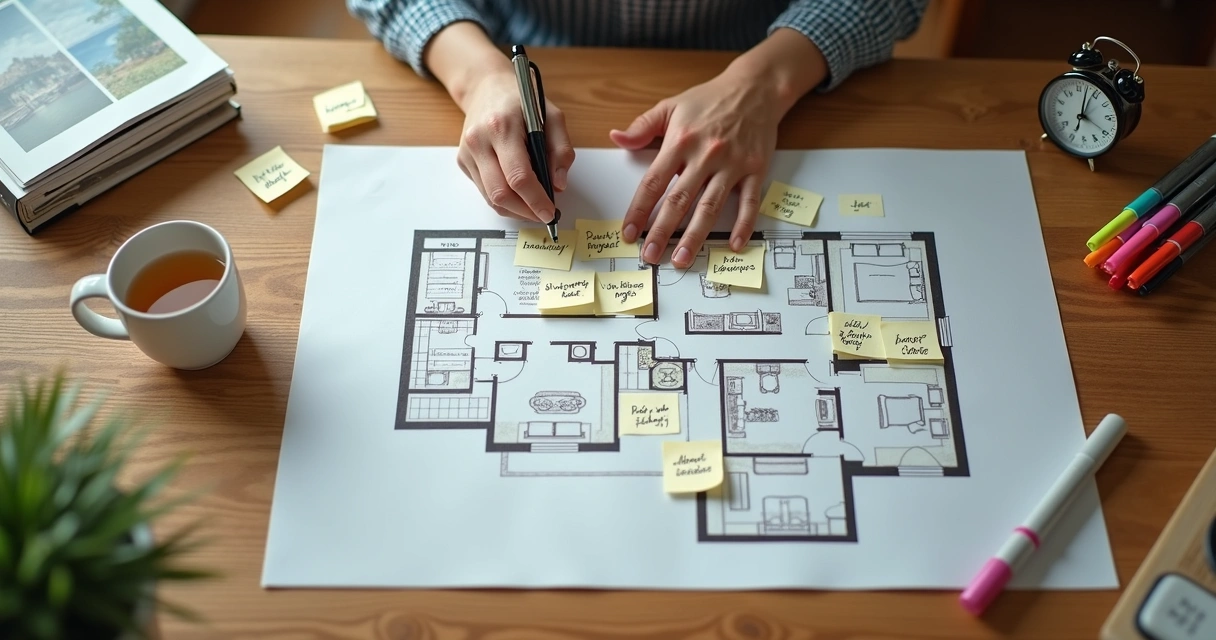
Systemic constellation therapy is a method for understanding and transforming hidden dynamics within family and social systems. It helps reveal the unconscious patterns that shape relationships, often using visual and spatial arrangements of people or representations to bring these patterns to light.
How can it help with family conflict?
Systemic constellation allows families to see how longstanding roles and unresolved issues contribute to conflict. By making these patterns visible, it encourages members to shift away from blame and work toward mutual understanding. It can support families in breaking cycles of misunderstanding by addressing the roots of tension, not just the symptoms.
Is systemic constellation worth trying at home?
Trying out systemic constellation exercises at home can offer useful insights, especially when approached with openness and respect. While complex issues sometimes need professional facilitation, home practices like reflection, observation, and honest conversation can highlight hidden dynamics and start real change.
How does a session usually work?
In a session, a facilitator guides a client in representing family members or key elements using people or objects placed in a room. Through observing their positions and interactions, the client gains insights about relationship patterns and the sources of conflict. The process may end with new arrangements that bring resolution or relief.
Can systemic constellation solve deep conflicts?
Systemic constellation can bring awareness and healing, especially for conflicts rooted in multiple generations. However, while it can create openings for dialogue and understanding, lasting change often requires ongoing effort from everyone involved. It is a powerful step, but not always the only step needed for deep transformation.