
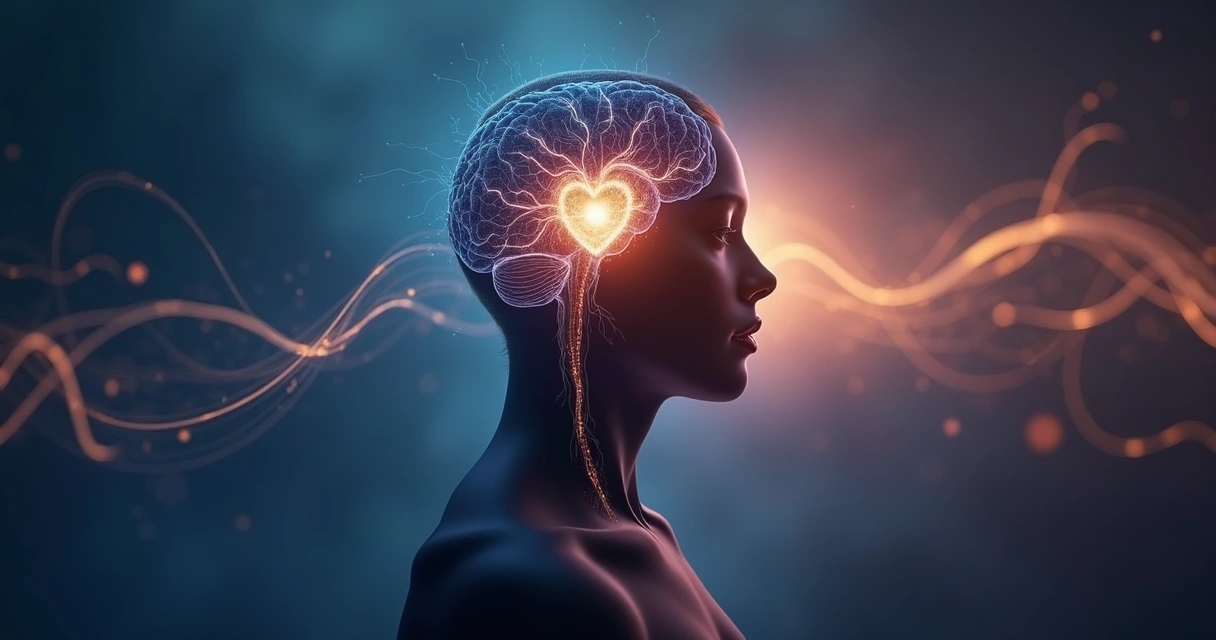
Have you ever paused to wonder whether you feel first and then become aware of it, or if your awareness triggers what you feel? This question has sparked curiosity for centuries and still shapes many discussions about how we change, connect, and grow. We believe that carefully understanding what happens first, consciousness or emotion, can transform the way we respond to ourselves and the world around us.
The origins of consciousness and emotion
Let’s start with the basics. The human experience is marked by both consciousness and emotion. At first glance, these seem like separate things. We might say, “I felt afraid before I realized why,” or, “I became aware of my thoughts, then my heart started to race.” To understand how they relate, we need clear definitions and a bit of real-world perspective.
What we mean by consciousness
Consciousness is often described simply as being aware of ourselves and our surroundings. It’s that sense of ‘I am here, noticing this moment’. Yet it runs deeper than just noticing. It can include self-reflection, understanding meaning or purpose, and making choices, all with a sense of presence.
What we mean by emotion
Emotions are the inner experiences that color our lives: joy, anger, fear, sadness, and more. They can begin swiftly, sometimes before we have words for them. Emotions drive us to act, shape our memories, and influence our relationships.
Which comes first depends on what we notice, when, and how deeply we look.
A closer look at emotional response
Imagine you’re walking in the woods and suddenly hear a rustle nearby. Your body tenses. Your heart beats faster. You feel a flash of fear. Only then do you become aware: “That scared me.” This is a classic example, emotion seems to come first, awareness follows.
In situations where quick reaction is required, the emotional system can work almost automatically. Our bodies respond to signals (like that sudden noise), and only afterward does our conscious mind catch up. We consider this a protective mechanism, one that evolved to keep us safe.
- Emotions like fear, surprise, or anger can arise unconsciously.
- These responses prepare us to act, to run, fight, or pause.
- After the rush, we become more conscious of what happened.
In these cases, emotion can often precede conscious thought.
The influence of conscious awareness
On the other hand, there are moments when thought comes first. Imagine reflecting quietly after an argument. As you replay the conversation, you might realize you feel hurt, even though you didn’t notice it at the time. Here, self-awareness invites the emotion forward.
Consciousness can also change how we feel. For example, when we notice tension in our body, we can take a slow breath, shift our focus, or choose to let go of anger. Awareness gives us options. It can slow emotional reactions and introduce understanding.
Awareness opens the space for change.
Do consciousness and emotion work together?
We believe that asking which comes first may be less helpful than exploring how consciousness and emotion interact. The two are closely linked, influencing each other in ways that are not always linear or predictable.
Consider a few common situations:
- Reacting to a threat, where fear is felt before we become aware of fear.
- Reflecting on a meaningful event, where conscious thought ushers in emotion.
- Practicing calming techniques, where increased awareness gently shifts what we feel.
Emotions often arise first in rapid, automatic situations, but conscious awareness can follow and transform those feelings.
Conversely, conscious reflection or intention can trigger new feelings, especially when we bring attention to aspects of our life, our choices, or our relationships.
What does this mean for daily life?
Should we simply accept every feeling as beyond our conscious control? Or should we expect that with enough self-awareness, we can change all emotions at will?
From what we see in real-life experiences, both views are incomplete. Emotions can surprise us with their speed and intensity, and conscious awareness can sometimes feel slow to follow. But with practice and intention, our awareness can become more flexible, able to notice feelings sooner, and able to respond more wisely.
Growth happens in the space between what we feel and what we consciously choose.
Why does the sequence matter?
The question is not just a thought experiment. It affects how we approach emotional balance, relationships, learning, and healing. If we assume emotions always come first, we might feel powerless at their onset. If we assume consciousness always leads, we might feel stuck when emotions take over unexpectedly.
We find that understanding the close relationship between consciousness and emotion can help us build healthier habits. When we increase our self-awareness, we gain new ways to manage or transform our experiences. When we accept that emotions have a natural rhythm, we become kinder to ourselves in moments of stress.
The integrated perspective
Trying to decide whether consciousness or emotion comes first creates a false choice. Human experience is more interconnected and nuanced. In some situations, emotion leads; in others, awareness sets the stage. The interplay between the two is what allows us to grow, heal, and connect with others.
In our view, consciousness and emotion form a dynamic partnership, each one influencing and shaping the other over time. Sometimes one takes center stage, sometimes the other, but both are always present, shaping our sense of self and reality.
Instead of asking which comes first, we can ask, “How are they working together right now?”
Conclusion: Our answer to the question
So, which comes first: consciousness or emotion? The answer is, it depends. Some emotional responses are quicker than thought, giving us a sense that emotion leads. In more reflective moments, conscious awareness appears to direct what we feel. In both cases, it’s their interaction, not a fixed order, that gives rise to our most meaningful experiences.
By respecting the complexity of this relationship, we can foster greater patience, understanding, and adaptability within ourselves. We become able to notice our emotions earlier and bring a gentle, conscious presence to each moment, without forcing a single path. That is where real transformation begins.
Frequently asked questions
What is consciousness in simple terms?
Consciousness is our ability to be aware of ourselves and what is happening around us. It includes noticing our thoughts, feelings, and environment. It is the sense of being present in the moment and realizing that we are experiencing life as it unfolds.
What are basic human emotions?
Basic human emotions are the core feelings that most people experience naturally. These often include joy, sadness, anger, fear, surprise, and disgust. These emotions can help us respond to our environment and connect with others in clear, simple ways.
Does emotion come before consciousness?
In certain situations, emotion seems to come before conscious awareness. For example, when reacting quickly to something unexpected, you may feel fear or surprise before realizing why. However, in other cases, conscious thought can bring out or shape emotions. The sequence can vary depending on the person and situation.
How are emotions and consciousness related?
Emotions and consciousness are closely linked and often influence each other. Emotions can shape what we notice or focus on, and consciousness can help us understand or regulate our feelings. The relationship is more like a loop than a line, both are always interacting and shaping each other.
Can you have consciousness without emotion?
Complete consciousness without emotion is rare in daily life. Most conscious experiences are colored by at least some feeling, even if it is mild or in the background. Our awareness and our feelings often go hand-in-hand, shaping how we understand and relate to ourselves and the world.