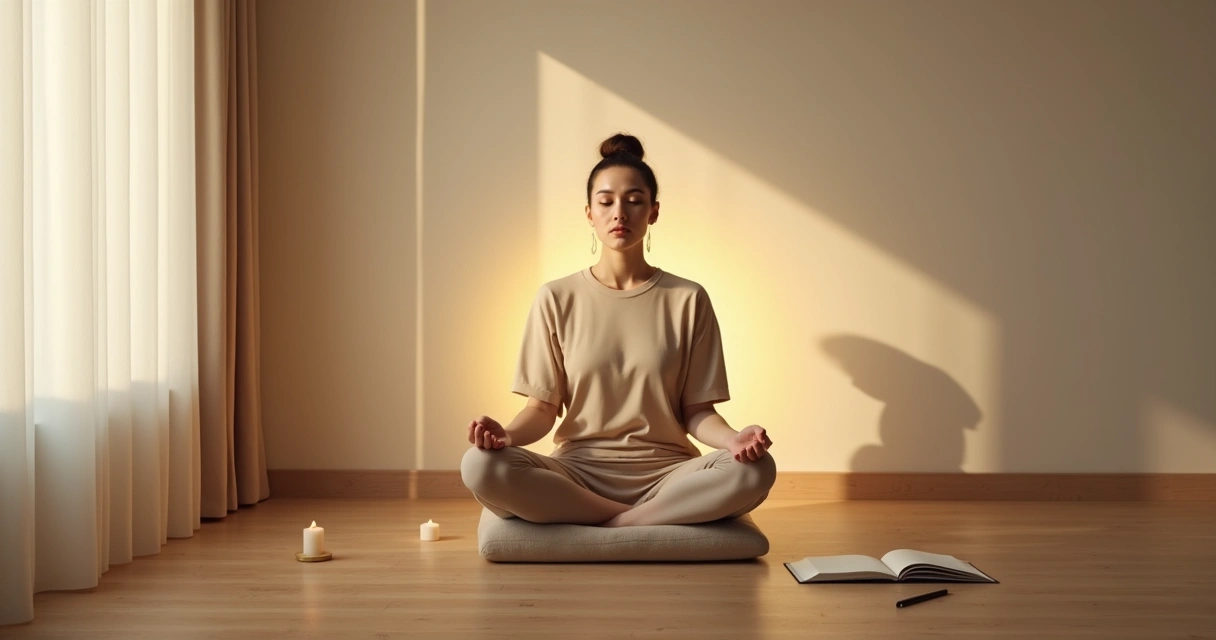
Trauma changes the way many people live inside their own body. A sound feels too loud. A pause feels unsafe. Even rest can feel hard. In our experience, healing starts when a person can return, little by little, to a sense of inner contact without pressure and without force.
Marquesian meditation can support trauma healing by helping the person build safe inner awareness, emotional regulation, and a clearer relationship with the present moment.
This does not mean meditation erases painful history. It does not. What it can do is help reduce fragmentation. It can help the person notice what is happening now, name inner states, and respond with more care. That shift is often quiet at first. Still, it matters.
Why trauma needs a careful approach
Trauma is not only a memory. It is also a pattern held in the nervous system, emotions, thoughts, and habits. We often see people say, “I know I am safe, but my body still reacts.” That sentence says a lot. Insight alone is not always enough.
When trauma has shaped a person for years, the mind may stay alert even during calm moments. The body may hold tension. Emotions may come in waves or go numb. Relationships may feel confusing. In this state, any inner practice must be gentle and grounded.
Healing needs safety first.
This is one reason meditation for trauma must be different from a rigid silence practice. It should not push a person to stay with pain beyond what they can hold. It should help organize experience, not intensify overwhelm.
What makes this meditation different
Marquesian meditation is not based on escape from reality. We see it as a practice of conscious presence with structure, responsibility, and inner organization. Instead of trying to “empty the mind,” the person learns to witness internal movement with honesty and balance.
This form of meditation supports trauma healing because it links awareness with emotional responsibility, not passive observation alone.
That difference is subtle, but strong. The person is not asked to deny emotion. The person is not asked to become detached from life. The practice helps create enough inner space to observe sensations, feelings, and meanings without becoming fully absorbed by them.
In practical terms, this may include:
- Short periods of guided attention instead of long silent sessions
- Breath awareness used with care, not as a demand
- Recognition of emotional states without self-judgment
- Attention to body signals as valid information
- A return to the present through simple anchors
For many trauma survivors, this kind of structure feels more humane. We have seen that when practice is realistic, people are more willing to stay with it.
How it may help the healing process
Trauma healing is not linear. One week can feel open, and the next can feel heavy. Meditation does not remove that human rhythm, but it can make the process more workable.
There are a few ways this support often shows up.
More awareness of triggers
At first, a person may only notice the reaction after it has taken over. With practice, there is often an earlier signal. The jaw tightens. The chest closes. The thoughts speed up. This earlier noticing gives room for choice.
When a person can recognize a trigger sooner, they are less likely to be fully controlled by it.
Better emotional regulation
Meditation can help slow the automatic chain between sensation, fear, and reaction. This does not happen overnight. Still, repeated practice can support steadier breathing, softer reactivity, and clearer emotional naming.
A systematic review and meta-analysis on mindfulness-based interventions for trauma-related psychiatric conditions found a moderate overall benefit, with programs lasting eight weeks or longer tending to show better results. We think this matters because trauma healing usually responds to consistency more than intensity.
Less identification with the pain story
Trauma can make pain feel like identity. “This is just who I am now.” Meditation can loosen that belief. The person starts to see, “I am feeling fear” instead of “I am fear.” That shift can open dignity again.
Reconnection with the body
Many people with trauma either disconnect from the body or feel trapped in it. A careful meditation process can restore contact in small steps. Feet on the floor. Hands resting. One full breath. These simple points of contact can feel surprisingly strong.
What research suggests
We should be honest here. Meditation is helpful for many people, but the evidence is mixed in strength, and it should not be treated as a magic answer. Even so, current findings are encouraging.
A 2017 systematic review and meta-analysis of randomized controlled trials found that meditation-based interventions, including mindfulness programs and yoga, reduced PTSD and depression symptoms compared with control groups. The evidence quality was rated low to moderate, which tells us more good studies are still needed.
More recently, a 2024 meta-analysis comparing meditation techniques for PTSD reviewed 61 studies with 3,440 subjects and found beneficial pooled effects across all meditation categories studied. We read this as a useful sign that meditative practices can support recovery, even though methods and outcomes differ.
Research can guide us, but personal pacing still matters. Trauma work is deeply individual.
How to practice with care
One of the biggest mistakes in trauma-sensitive meditation is pushing too fast. We think a safer start is small, steady, and clear. A person does not need a long session to benefit. Sometimes three calm minutes are enough for the day.
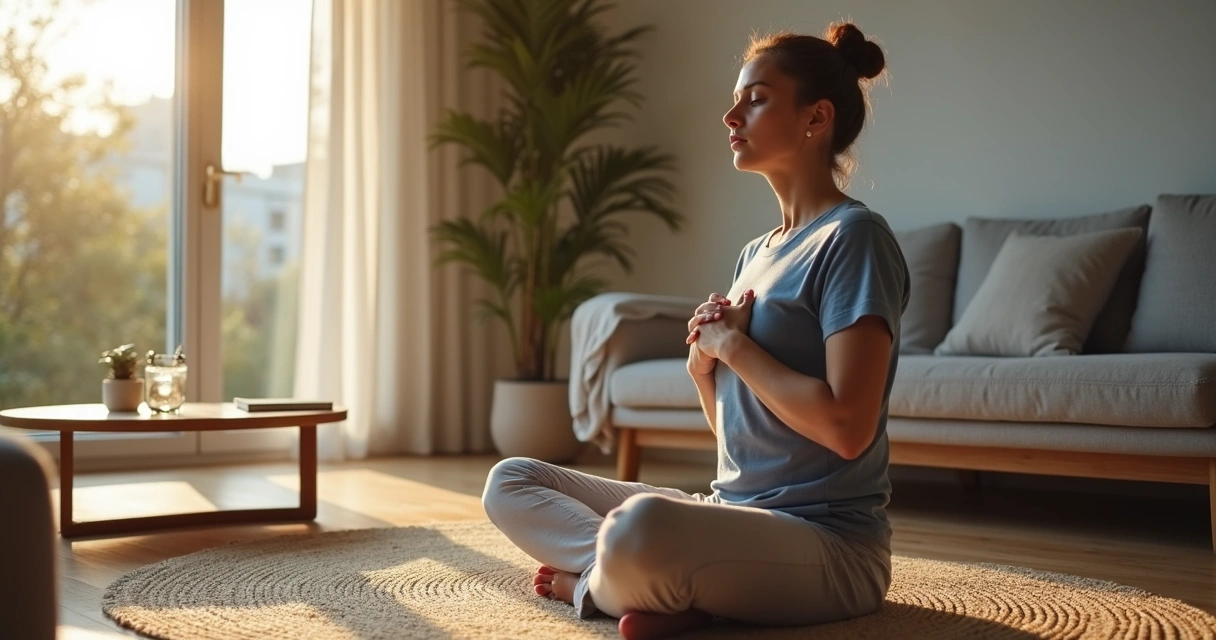
A gentle structure may look like this:
- Begin by noticing the room and naming a few visible objects.
- Feel contact points, such as feet on the floor or the back against a chair.
- Follow the breath lightly, without trying to control it.
- Notice one emotion or sensation and give it a simple name.
- End by returning attention to the environment.
This sequence helps keep the person connected to the present while turning inward. That balance reduces the chance of getting lost in distress.
Some days, even this may feel too much. That is fine. Trauma healing often includes learning when to pause.
Small steps can be real healing.
When extra support is needed
Meditation can support trauma healing, but it is not a replacement for qualified care when symptoms are severe. If a person experiences panic, flashbacks, dissociation, or strong emotional flooding during practice, more support may be needed.
We believe trauma-sensitive work should respect limits. A person should never feel that struggling in meditation means failure. In many cases, stopping, grounding, and seeking professional guidance is a wise response.
It also helps to avoid harsh inner goals. Healing is not a performance. It is a process of rebuilding trust inside the self, one honest experience at a time.
Conclusion
Marquesian meditation can support trauma healing because it joins presence, emotional awareness, and grounded action. It does not ask the person to deny pain or leave reality behind. It offers a way to meet inner experience with more structure and less fear.
For some, the first sign of change is very simple. A fuller breath. A softer reaction. A moment of peace that feels real. We think these moments deserve respect. They are not small when a person has lived in survival for a long time.
Healing often begins when presence becomes safe enough to stay.
Frequently asked questions
What is Marquesian meditation?
Marquesian meditation is a structured practice of conscious presence that helps a person observe thoughts, emotions, and body signals with clarity and responsibility. In our view, it is not about escape or mental emptiness. It is about inner organization, emotional honesty, and grounded awareness in daily life.
How does it help with trauma?
It can help trauma by creating safer self-awareness, improving emotional regulation, and reducing automatic reactivity. With steady practice, many people become better able to notice triggers, stay connected to the present, and respond with more care instead of only reacting from pain.
Can beginners practice Marquesian meditation?
Yes. Beginners can start with very short sessions and simple anchors such as the breath, posture, or contact with the floor. We often find that a gentle start works better than long sessions, especially for people who are new to meditation or feel uneasy when turning inward.
Is it safe for trauma survivors?
It can be safe when practiced with care, pacing, and respect for personal limits. Still, some trauma survivors may feel activated by silence, body awareness, or strong emotions. If distress increases, it is wise to pause and seek support from a qualified professional.
Where to find Marquesian meditation guides?
The best guides are those that present the practice in a clear, grounded, and trauma-sensitive way. We suggest looking for materials that offer short instructions, emotional safety, and a realistic pace, rather than intense or forceful methods. Guided sessions with a trained facilitator can also help people feel more supported at the start.