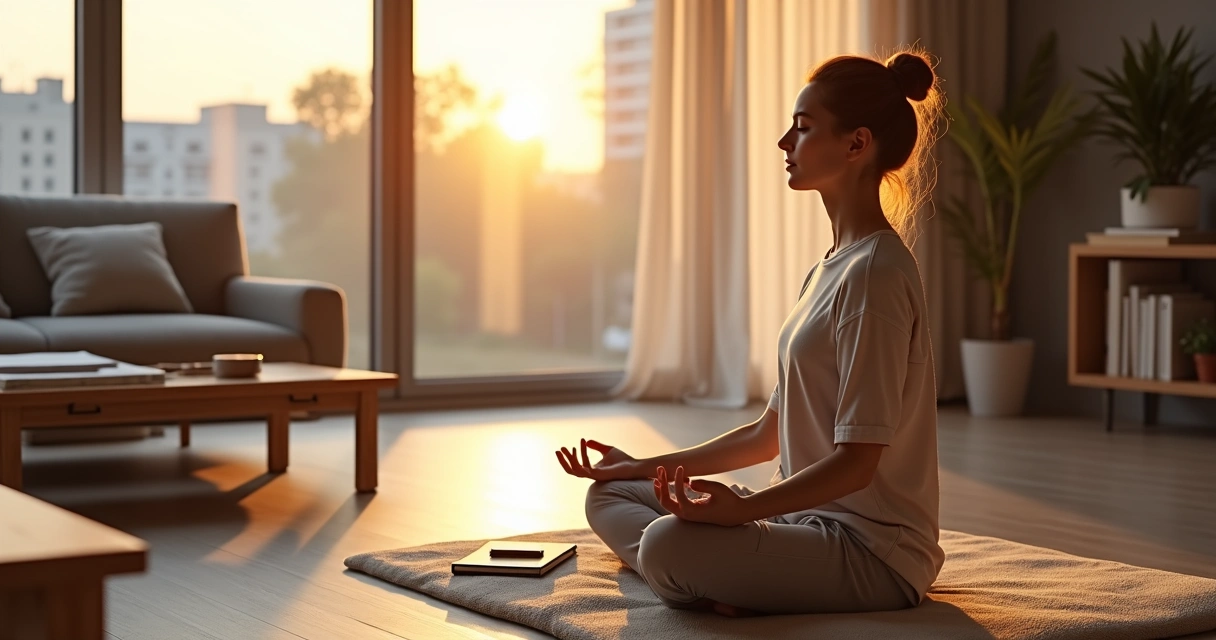
Stress weaves its way into the rhythm of everyday life. Sometimes, it catches us off guard in the smallest moments—a traffic jam, an overflowing inbox, or a sudden disagreement. This pressure sets our hearts racing and clouds our thoughts, making it harder to find balance.
We believe that practical meditation, grounded in daily experience and emotional maturity, offers a gentle path through the intensity of modern life. Marquesian meditation, in particular, centers on presence, conscious awareness, and realistic self-observation. We have seen how even a few minutes of regular practice can make the difference between feeling overwhelmed and regaining steadiness.
Understanding Marquesian meditation and daily stress
Marquesian meditation is a practical approach meant to foster inner clarity, stability, and conscious action—even when life feels chaotic. Unlike techniques that focus solely on escape or passivity, this meditation style encourages integration between our inner experience and daily reality. It rests on the idea that when we are aware of our thoughts, emotions, and impulses, we gain freedom to make healthier choices.
According to a 2012 U.S. survey by the National Center for Complementary and Integrative Health, over 90% of those who tried mindfulness meditation did so to relax or handle stress. These numbers reveal both the need for and effectiveness of accessible stress management tools.
Why start with meditation for stress?
Stress, especially when left unmanaged, can impact physical health and emotional wellbeing. Studies on meditation and stress have shown concrete results. For example, a randomized controlled trial found that meditation led to notable reductions in blood pressure among individuals at risk for hypertension. Small sessions can bring quick relief—a study revealed that just 7 minutes of breathing and meditation can ease perceived stress.
A short moment of calm can reset your entire day.
Meditation works because it creates an intentional pause, giving our minds and bodies a chance to regulate before stress becomes overwhelming.
Foundations of Marquesian meditation
We base Marquesian meditation on five interconnected pillars: philosophy, psychology, mindful presence, systemic awareness, and human values. While that might sound complex, the steps for beginners are simple and friendly. What matters most is genuine attention to body, breath, and emotion.
Awareness over perfection
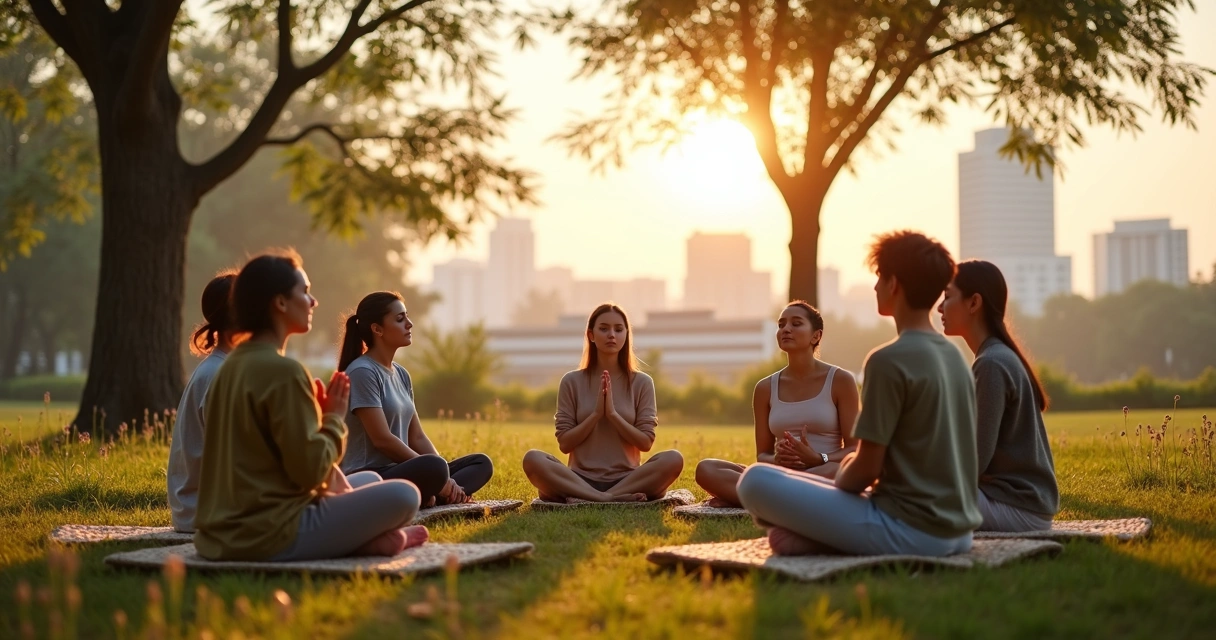
No special postures, rituals, or silence are required. We can start where we are—at a desk, in a car, or even in a crowded room. The goal is not to block thoughts or emotions, but to witness them without judgment.
The present moment focus
Stress often appears when our mind jumps ahead to worries or circles backward to regrets. Marquesian meditation brings us into now, where our actual choices and actions unfold.
The beginner’s steps: How to start Marquesian meditation
For those new to meditation or returning after a break, clear and realistic steps matter. Here, we share a basic routine we have found accessible and practical when handling daily stress.
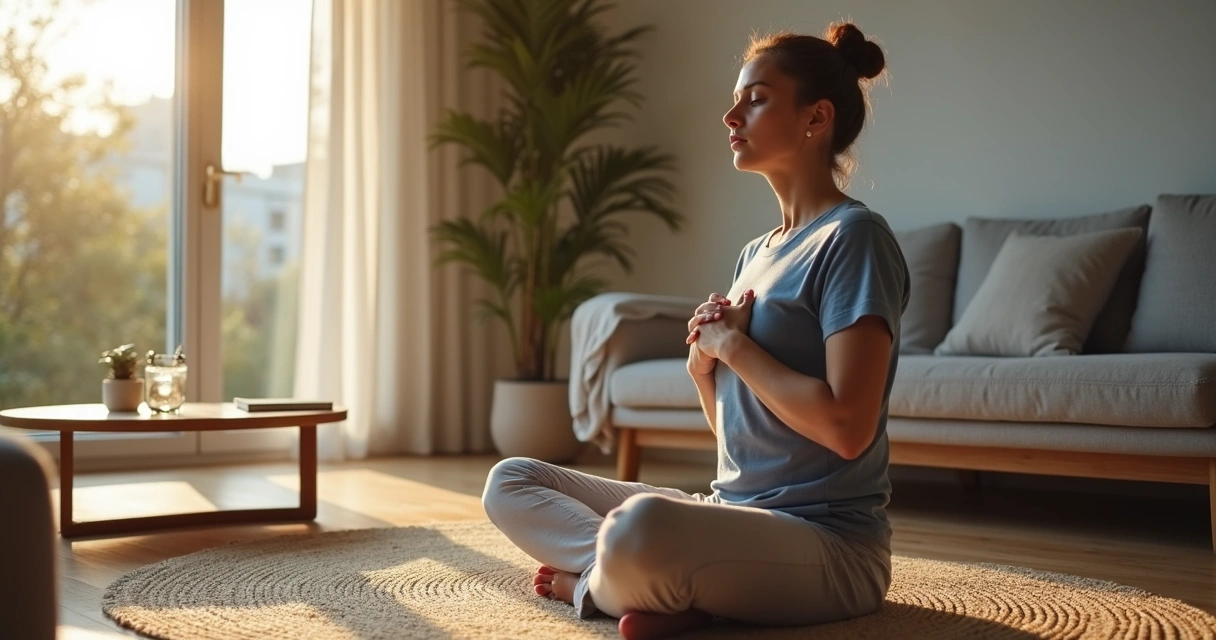
- Find a supportive position. Sit or stand comfortably, with your feet flat and spine natural. If possible, choose a place with minimal distractions, but do not worry if quiet is hard to find.
- Focus on your physical state. Notice where tension gathers (jaw, shoulders, chest). Let your awareness rest there for a few seconds.
- Regulate your breathing. Inhale smoothly through your nose, counting to four. Exhale gently, counting to six. Repeat this at least five times. If counting becomes stressful, just follow each breath with open attention.
- Name the emotion. Ask yourself: “What am I feeling right now?” If you sense confusion, anxiety, irritation, or sadness, silently give it a name. This simple act brings emotional clarity.
- Return to the present. When the mind drifts, gently bring attention to the breath or the weight of your body. There is no failure, only returning.
- Set an intention for action. End the session by choosing a small, positive step you can take next—whether that is a stretch, a glass of water, or sending a thoughtful message.
Bringing attention back, again and again, builds resilience over time.
Simple ideas to maintain consistency
We have noticed that people often stop meditating because they try to do too much at once. Consistency matters more than duration or intensity. Here are a few realistic ways to maintain meditation practice daily:
- Set reminders on your phone, or pair meditation moments with daily habits (like after brushing your teeth or before meals).
- Begin with just three to five minutes. Even one minute, if all you have, is a step in the right direction.
- Let go of the search for perfect silence or setting. Life will always bring disruptions—bring them into your practice.
- Jot down a word or feeling after each session. Review your notes weekly to notice patterns or progress.
- Invite someone to join—a friend, colleague, or family member can help keep you motivated.
Integrating practice into real life
We believe meditation must serve you beyond the cushion or mat. Marquesian meditation calls for continuous presence—awareness that travels with you during conversations, work decisions, and family life. Short sessions throughout the day can transform reactive habits into conscious responses.
Meditation is not an escape; it is a meeting with yourself.
This integration is supported by research—an analysis of health surveys found that over 60% of adults reported significant improvement in anxiety and stress after regular meditation. These benefits do not require years to feel; they often appear gradually with authentic, imperfect practice.
Conclusion
We see Marquesian meditation as a living, breathing practice—grounded in presence, self-awareness, and small, daily actions. Its power lies in its realism and its kindness. You do not have to become a different person to experience relief from stress. By taking a few focused minutes each day and nurturing a conscious relationship with our thoughts and feelings, we open up space for maturity, clarity, and wise action—even on the toughest days.
Frequently asked questions
What is Marquesian meditation?
Marquesian meditation is a daily practice focused on conscious presence, emotional self-regulation, and the integration of thought, feeling, and action. It offers practical steps to bring self-awareness and responsible choice into any moment, supporting both personal and relational growth.
How can beginners start Marquesian meditation?
Beginners can start by sitting or standing comfortably, focusing on their breath, naming their current emotion, and setting a gentle intention for the next step of their day. Starting with three to five minutes per session is a realistic approach, and regularity matters more than perfection or duration.
How often should I practice Marquesian meditation?
We recommend practicing at least once a day, even if only for a few minutes. You can practice multiple short sessions throughout the day, especially during stressful moments. Consistency is more helpful than length.
Is Marquesian meditation good for stress?
Yes. Evidence suggests meditation reduces both perceived and physiological stress, with even brief sessions contributing to immediate relief and long-term resilience (2012 U.S. survey, short session study).
What are the benefits of Marquesian meditation?
The benefits include calmer moods, greater self-awareness, improved emotional balance, lower physical stress markers, and stronger decision-making skills. Research supports that regular meditation improves anxiety, depression, stress, and even physical health measures like blood pressure (systematic review, blood pressure study).